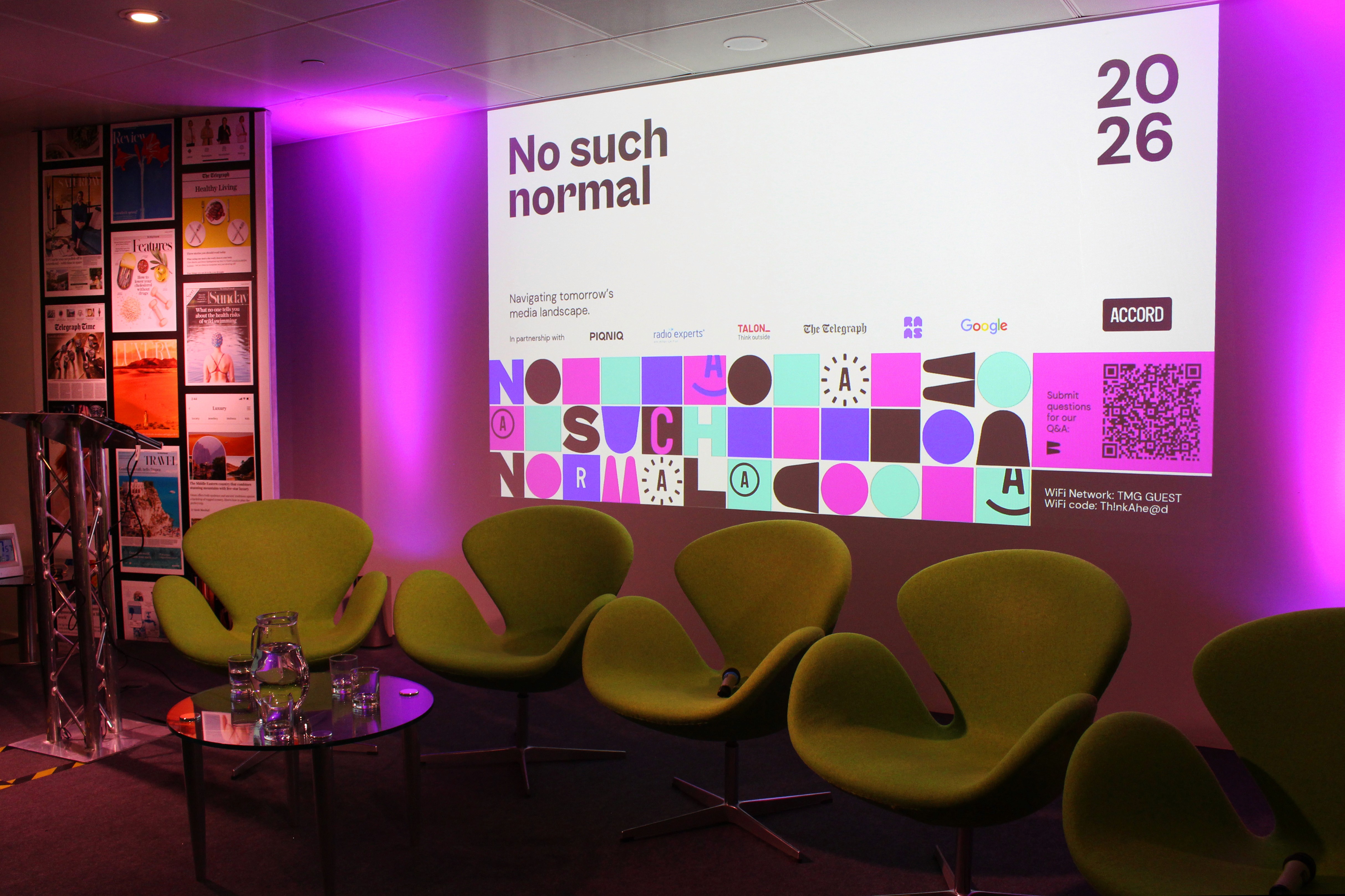
No such normal 2026: white paper launch event
No such normal 2026: white paper launch event
2025 was defined by disruption amid an increasingly fragmented, AI-powered media landscape. To help us make sense of what’s to come in 2026, Accord experts teamed up with trusted media partners for the launch event of the fifth edition of No such normal 2026, at the Telegraph’s headquarters last week.
2025 was defined by disruption amid an increasingly fragmented, AI-powered media landscape. To help us make sense of what’s to come in 2026, Accord experts teamed up with trusted media partners for the launch event of the fifth edition of No such normal 2026, at the Telegraph’s headquarters last week.

Emily Williams
Research Executive

Claire Evans
Assistant Strategist
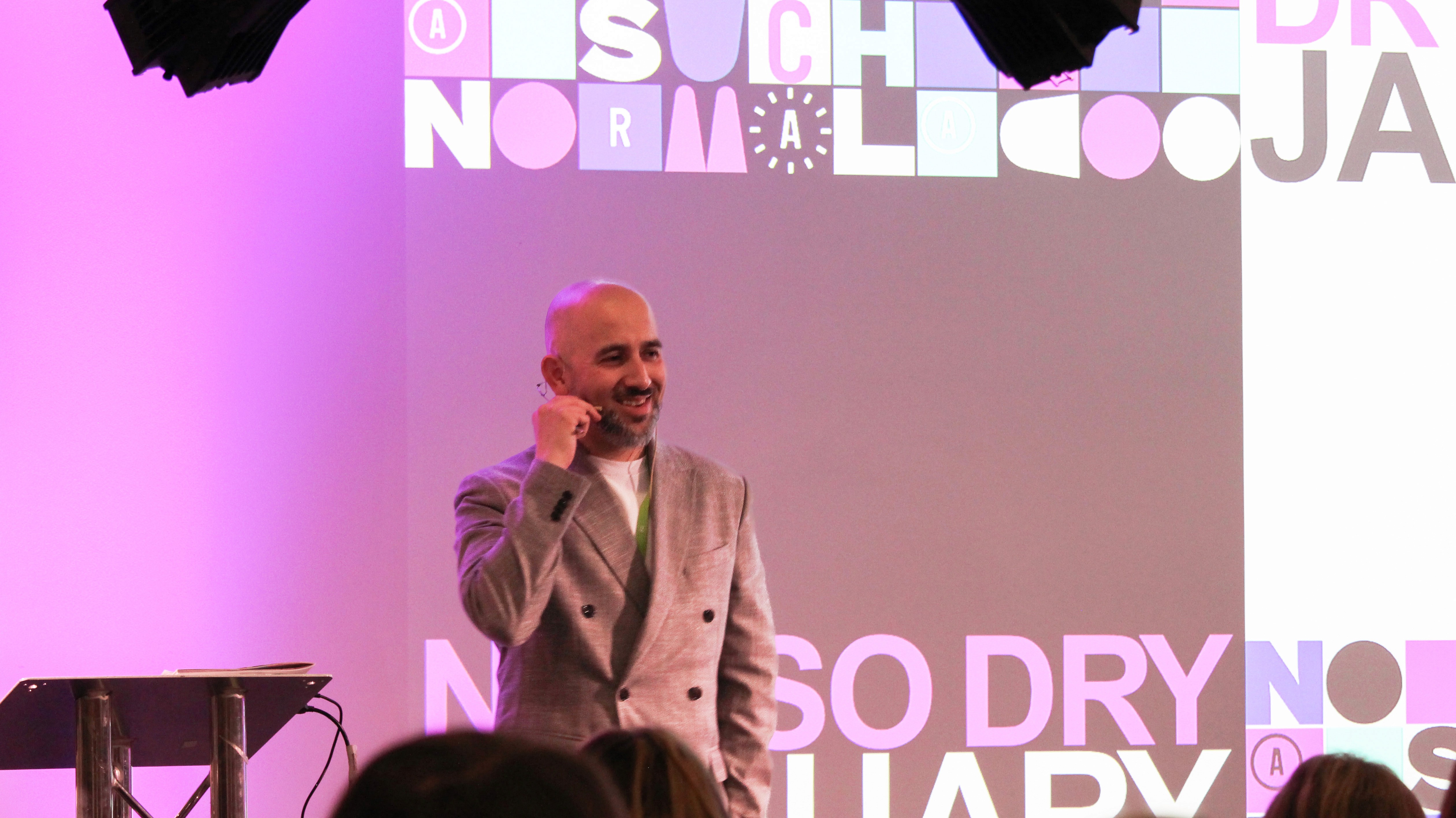
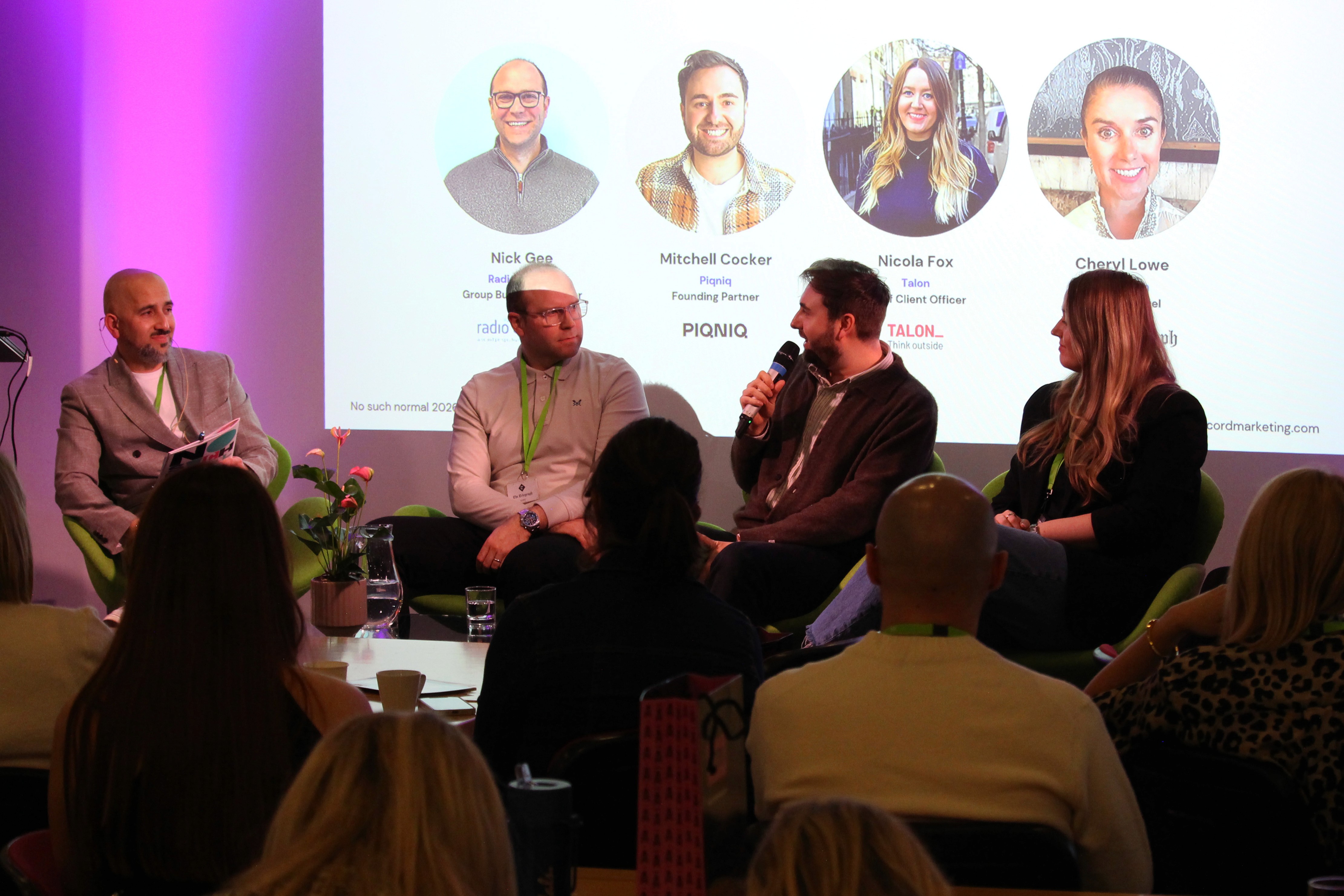
The event featured three expert panels where we explored the media trends shaping this year by answering three key questions: 1. Throughout 2025, what one thing had the most significant impact on your channel? 2. What top media trends are you predicting for 2026? 3. What one thing would you stop brands from doing with your channel, and what should they do instead? Accord’s Strategy Director Jasman Ahmad chaired the opening panel that explored TV, audio, OOH, and newsbrands; the second panel, featuring digital experts, delved into paid search, social, and display; and finally, our Head of Client Services, Matt Price, concluded the event with a panel of Accord experts, distilling the key insights discussed and debating their practical application in the months ahead. Here’s what we learned.
The event featured three expert panels where we explored the media trends shaping this year by answering three key questions: 1. Throughout 2025, what one thing had the most significant impact on your channel? 2. What top media trends are you predicting for 2026? 3. What one thing would you stop brands from doing with your channel, and what should they do instead? Accord’s Strategy Director Jasman Ahmad chaired the opening panel that explored TV, audio, OOH, and newsbrands; the second panel, featuring digital experts, delved into paid search, social, and display; and finally, our Head of Client Services, Matt Price, concluded the event with a panel of Accord experts, distilling the key insights discussed and debating their practical application in the months ahead. Here’s what we learned.
The event featured three expert panels where we explored the media trends shaping this year by answering three key questions: 1. Throughout 2025, what one thing had the most significant impact on your channel? 2. What top media trends are you predicting for 2026? 3. What one thing would you stop brands from doing with your channel, and what should they do instead? Accord’s Strategy Director Jasman Ahmad chaired the opening panel that explored TV, audio, OOH, and newsbrands; the second panel, featuring digital experts, delved into paid search, social, and display; and finally, our Head of Client Services, Matt Price, concluded the event with a panel of Accord experts, distilling the key insights discussed and debating their practical application in the months ahead. Here’s what we learned.
TV isn’t dying, it’s converging
Mitchell Cocker from Piqniq noted that smart TVs reach 80% of UK households, with viewers over 55 increasingly switching from traditional linear TV to streaming services. Since audiences view all formats simply as ‘TV’, planners should focus on behaviours rather than specific channels. A key development is Lantern, a cross-channel tool from ITV, Channel 4, and Sky that tracks linear and VOD together. This reflects a broader industry shift from short-term, click-based attribution towards longer-term, probabilistic measurement models such as Active Voice.
Mitchell Cocker from Piqniq noted that smart TVs reach 80% of UK households, with viewers over 55 increasingly switching from traditional linear TV to streaming services. Since audiences view all formats simply as ‘TV’, planners should focus on behaviours rather than specific channels. A key development is Lantern, a cross-channel tool from ITV, Channel 4, and Sky that tracks linear and VOD together. This reflects a broader industry shift from short-term, click-based attribution towards longer-term, probabilistic measurement models such as Active Voice.
Mitchell Cocker from Piqniq noted that smart TVs reach 80% of UK households, with viewers over 55 increasingly switching from traditional linear TV to streaming services. Since audiences view all formats simply as ‘TV’, planners should focus on behaviours rather than specific channels. A key development is Lantern, a cross-channel tool from ITV, Channel 4, and Sky that tracks linear and VOD together. This reflects a broader industry shift from short-term, click-based attribution towards longer-term, probabilistic measurement models such as Active Voice.
Audio’s rise as an active, choice-led channel
Nick Gee from Radio Experts highlighted that audio consumption is outpacing video in terms of user engagement, with listeners now dedicating more than 30 hours a week to audio content by actively choosing their listening experiences. Furthermore, smart speakers have become the modern ‘radio’ for younger users, prompting brands to optimise content for conversational search tools. Successful audio campaigns now focus on digital integration, smart speaker interaction, and context-driven podcasts, moving beyond traditional reach metrics.
Nick Gee from Radio Experts highlighted that audio consumption is outpacing video in terms of user engagement, with listeners now dedicating more than 30 hours a week to audio content by actively choosing their listening experiences. Furthermore, smart speakers have become the modern ‘radio’ for younger users, prompting brands to optimise content for conversational search tools. Successful audio campaigns now focus on digital integration, smart speaker interaction, and context-driven podcasts, moving beyond traditional reach metrics.
Nick Gee from Radio Experts highlighted that audio consumption is outpacing video in terms of user engagement, with listeners now dedicating more than 30 hours a week to audio content by actively choosing their listening experiences. Furthermore, smart speakers have become the modern ‘radio’ for younger users, prompting brands to optimise content for conversational search tools. Successful audio campaigns now focus on digital integration, smart speaker interaction, and context-driven podcasts, moving beyond traditional reach metrics.
OOH’s transition from awareness channel to trust engine
For Talon’s Nicola Fox, OOH is no longer defined by scale alone. Advances in data-enabled, location-led targeting have transformed it into a channel that can compete with Meta and Google, while offering something digital platforms increasingly struggle to deliver - trust. Crucially, the barrier to entry has dropped; campaigns can now launch with budgets as low as £200-£1,000, opening the channel to a far broader range of advertisers.
For Talon’s Nicola Fox, OOH is no longer defined by scale alone. Advances in data-enabled, location-led targeting have transformed it into a channel that can compete with Meta and Google, while offering something digital platforms increasingly struggle to deliver - trust. Crucially, the barrier to entry has dropped; campaigns can now launch with budgets as low as £200-£1,000, opening the channel to a far broader range of advertisers.
For Talon’s Nicola Fox, OOH is no longer defined by scale alone. Advances in data-enabled, location-led targeting have transformed it into a channel that can compete with Meta and Google, while offering something digital platforms increasingly struggle to deliver - trust. Crucially, the barrier to entry has dropped; campaigns can now launch with budgets as low as £200-£1,000, opening the channel to a far broader range of advertisers.
Trust: the competitive edge for news outlets
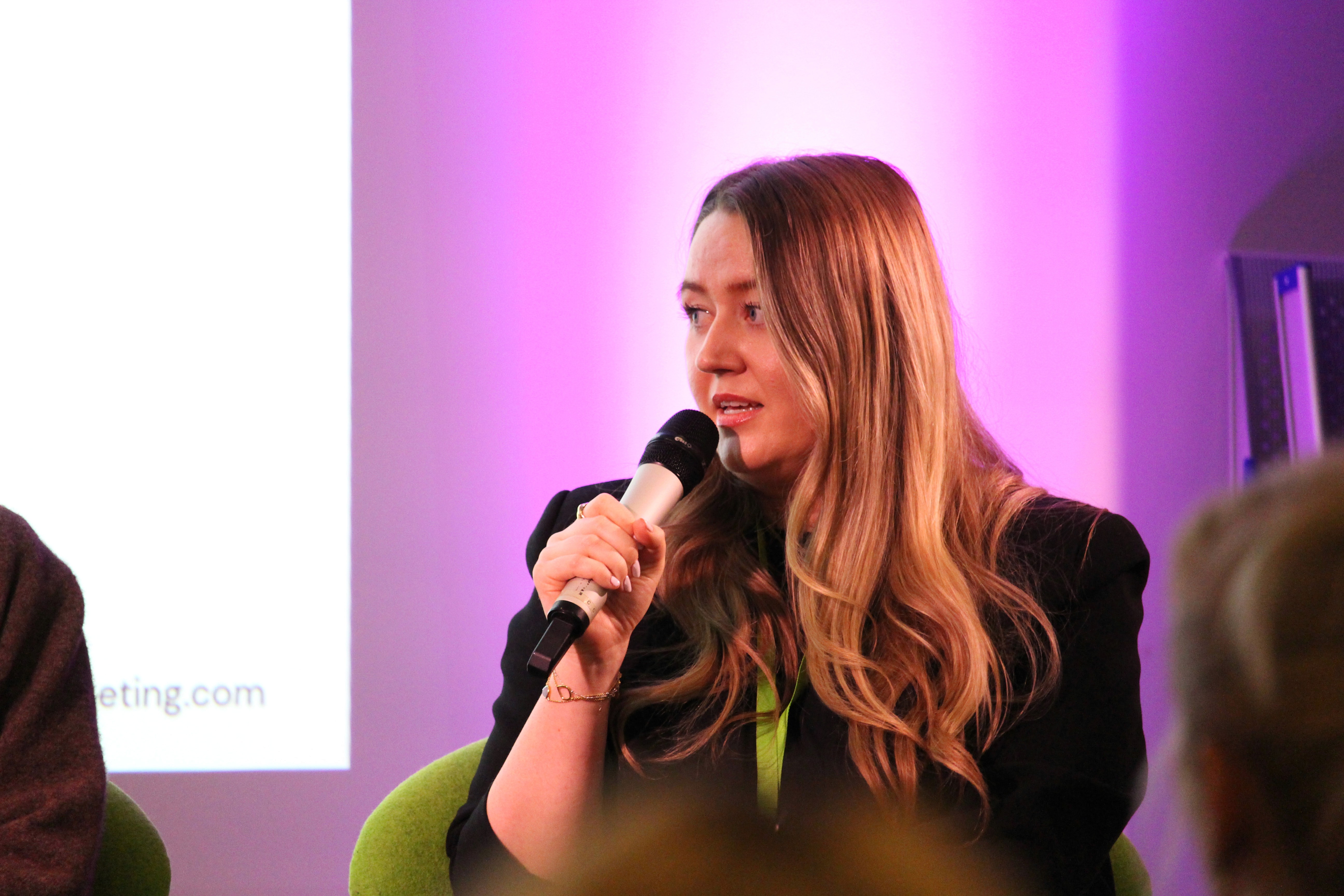
Cheryl Lowe from The Telegraph observes that news publishing has entered a phase where trust is a strategic and measurable asset. With AI driven searches now accounting for 17% of all queries, outlets are positioning themselves as sources of authority for both audiences and AI platforms. Another point highlighted was that in the travel sector, interactive features are rising in popularity as they guide readers from exploration to decision-making, helping foster confidence. In short, engagement is shifting away from passive scrolling towards active participation.
Cheryl Lowe from The Telegraph observes that news publishing has entered a phase where trust is a strategic and measurable asset. With AI driven searches now accounting for 17% of all queries, outlets are positioning themselves as sources of authority for both audiences and AI platforms. Another point highlighted was that in the travel sector, interactive features are rising in popularity as they guide readers from exploration to decision-making, helping foster confidence. In short, engagement is shifting away from passive scrolling towards active participation.
Cheryl Lowe from The Telegraph observes that news publishing has entered a phase where trust is a strategic and measurable asset. With AI driven searches now accounting for 17% of all queries, outlets are positioning themselves as sources of authority for both audiences and AI platforms. Another point highlighted was that in the travel sector, interactive features are rising in popularity as they guide readers from exploration to decision-making, helping foster confidence. In short, engagement is shifting away from passive scrolling towards active participation.
Display’s shift from retargeting to in-the-moment relevance
Display advertising has evolved from classic retargeting to in-the-moment relevance. For Toby Shaw from RAAS LAB, generic retargeting is fading due to privacy laws and brand perception risks. Instead, advertisers are using real-time signals and sentiment, a shift that replaces broad targeting with a focus on a user's current mindset. Connecting in the moments that matter is the key.
Display advertising has evolved from classic retargeting to in-the-moment relevance. For Toby Shaw from RAAS LAB, generic retargeting is fading due to privacy laws and brand perception risks. Instead, advertisers are using real-time signals and sentiment, a shift that replaces broad targeting with a focus on a user's current mindset. Connecting in the moments that matter is the key.
Display advertising has evolved from classic retargeting to in-the-moment relevance. For Toby Shaw from RAAS LAB, generic retargeting is fading due to privacy laws and brand perception risks. Instead, advertisers are using real-time signals and sentiment, a shift that replaces broad targeting with a focus on a user's current mindset. Connecting in the moments that matter is the key.
Search, social, and the rise of AI-led discovery
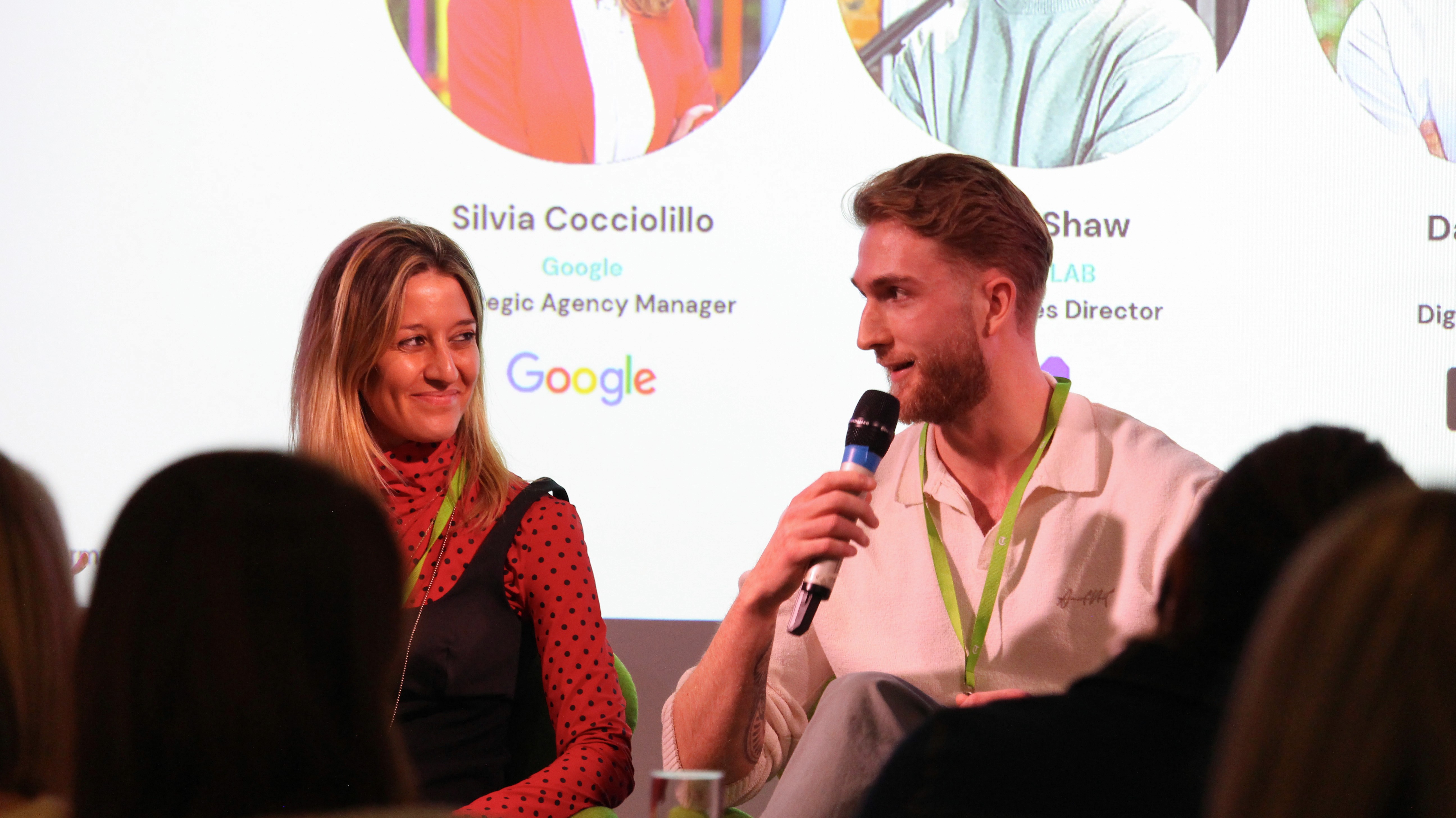
Silvia Cocciolillo from Google highlighted the shift from short keywords to longer, AI-driven queries, making search more conversational and commercial, with Google now better equipped to understand user intent and deliver relevant results. She also stressed the importance of moving away from last-click attribution in measurement, advocating instead for a three-step approach: establishing strong measurement foundations, conducting incrementality tests, and employing Marketing Mix Modelling (MMM) to assess long-term impact. With 83% of global consumers using both Google and YouTube daily, the integration of these platforms functions as an ‘always-on storefront’, generating a 21% incremental return on ad spend.
In paid social, Accord’s Dan Ward emphasised that generic creative strategies limit brand potential, as platforms now reward creative diversity rather than just ad frequency. Brands should avoid serving the same ads to large, undifferentiated segments and align product offerings with specific user intent. For example, cruise brands should highlight a range of experiences, such as destinations, tours and dining, while consistently testing for incremental improvements.
Silvia Cocciolillo from Google highlighted the shift from short keywords to longer, AI-driven queries, making search more conversational and commercial, with Google now better equipped to understand user intent and deliver relevant results. She also stressed the importance of moving away from last-click attribution in measurement, advocating instead for a three-step approach: establishing strong measurement foundations, conducting incrementality tests, and employing Marketing Mix Modelling (MMM) to assess long-term impact. With 83% of global consumers using both Google and YouTube daily, the integration of these platforms functions as an ‘always-on storefront’, generating a 21% incremental return on ad spend.
In paid social, Accord’s Dan Ward emphasised that generic creative strategies limit brand potential, as platforms now reward creative diversity rather than just ad frequency. Brands should avoid serving the same ads to large, undifferentiated segments and align product offerings with specific user intent. For example, cruise brands should highlight a range of experiences, such as destinations, tours and dining, while consistently testing for incremental improvements.
Silvia Cocciolillo from Google highlighted the shift from short keywords to longer, AI-driven queries, making search more conversational and commercial, with Google now better equipped to understand user intent and deliver relevant results. She also stressed the importance of moving away from last-click attribution in measurement, advocating instead for a three-step approach: establishing strong measurement foundations, conducting incrementality tests, and employing Marketing Mix Modelling (MMM) to assess long-term impact. With 83% of global consumers using both Google and YouTube daily, the integration of these platforms functions as an ‘always-on storefront’, generating a 21% incremental return on ad spend.
In paid social, Accord’s Dan Ward emphasised that generic creative strategies limit brand potential, as platforms now reward creative diversity rather than just ad frequency. Brands should avoid serving the same ads to large, undifferentiated segments and align product offerings with specific user intent. For example, cruise brands should highlight a range of experiences, such as destinations, tours and dining, while consistently testing for incremental improvements.
What this means?
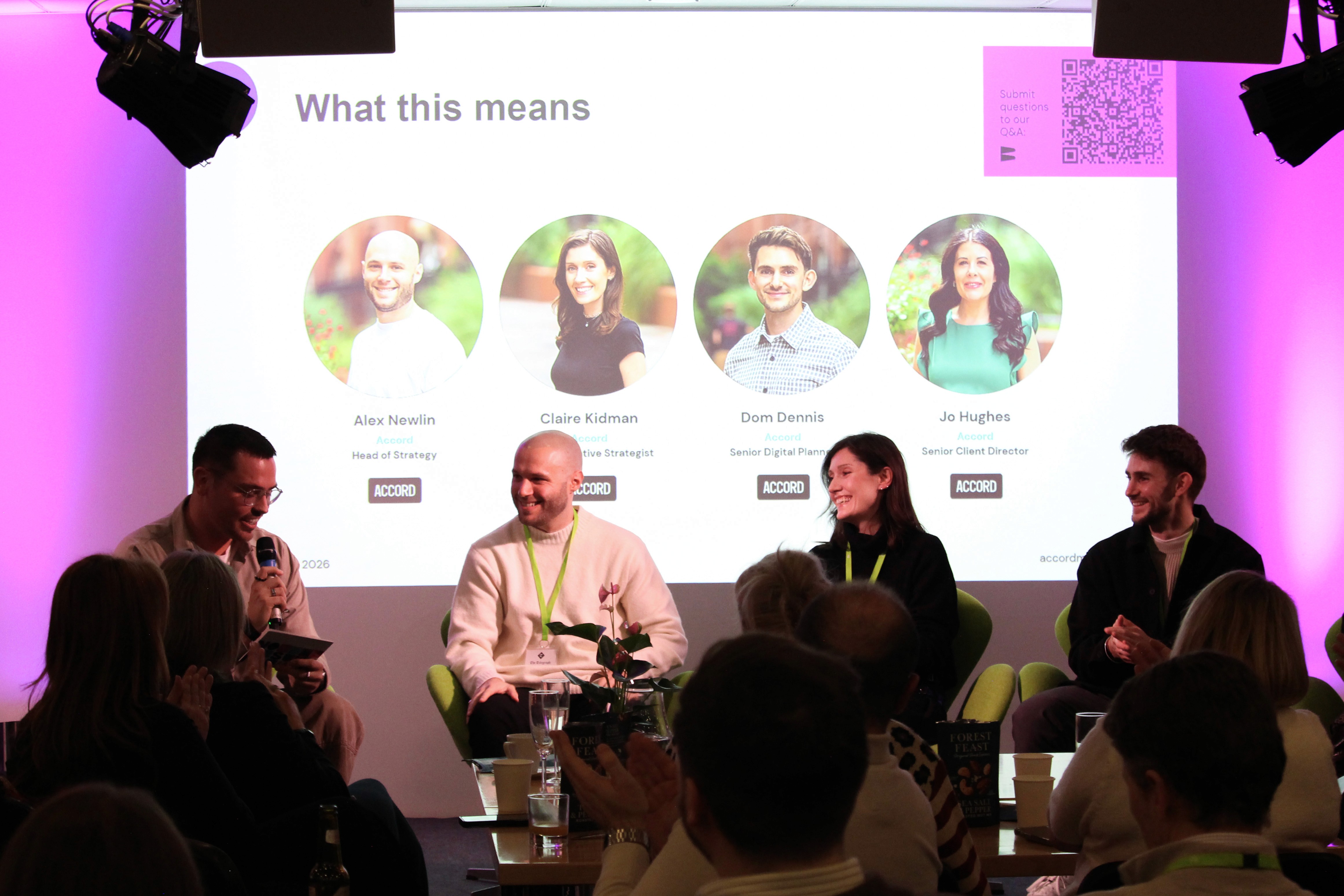
In the final panel, media fragmentation was framed as an ongoing challenge. Accord’s Head of Strategy Alex Newlin notes that integrating AI across the consumer journey is essential for effective targeting and brand recognition. Building on this, our Creative Content Strategist Claire Kidman stressed the need for varied visuals and messaging, suggesting less utilised elements such as sonic branding to add a distinctive touch.
Our Senior Digital Planner Dom Dennis highlighted the importance of structuring data and mapping the consumer journey to optimise audience profiling and prevent wasting up to 30% of creative budgets, while our Senior Client Director Jo Hughes advocated for researching all touchpoints, focusing resources where they matter most, and differentiating from competitors, especially in the travel sector which tends to suffer from the ‘sea of sameness’.
To close off the panel, both Alex and Jo emphasised the importance of robust measurement frameworks, with econometrics helping to track media impact and boost efficiency by at least 10%. Ultimately, successful media planning demands a blend of advanced analytics, creative agility, and strategic consistency.
In the final panel, media fragmentation was framed as an ongoing challenge. Accord’s Head of Strategy Alex Newlin notes that integrating AI across the consumer journey is essential for effective targeting and brand recognition. Building on this, our Creative Content Strategist Claire Kidman stressed the need for varied visuals and messaging, suggesting less utilised elements such as sonic branding to add a distinctive touch.
Our Senior Digital Planner Dom Dennis highlighted the importance of structuring data and mapping the consumer journey to optimise audience profiling and prevent wasting up to 30% of creative budgets, while our Senior Client Director Jo Hughes advocated for researching all touchpoints, focusing resources where they matter most, and differentiating from competitors, especially in the travel sector which tends to suffer from the ‘sea of sameness’.
To close off the panel, both Alex and Jo emphasised the importance of robust measurement frameworks, with econometrics helping to track media impact and boost efficiency by at least 10%. Ultimately, successful media planning demands a blend of advanced analytics, creative agility, and strategic consistency.
In the final panel, media fragmentation was framed as an ongoing challenge. Accord’s Head of Strategy Alex Newlin notes that integrating AI across the consumer journey is essential for effective targeting and brand recognition. Building on this, our Creative Content Strategist Claire Kidman stressed the need for varied visuals and messaging, suggesting less utilised elements such as sonic branding to add a distinctive touch.
Our Senior Digital Planner Dom Dennis highlighted the importance of structuring data and mapping the consumer journey to optimise audience profiling and prevent wasting up to 30% of creative budgets, while our Senior Client Director Jo Hughes advocated for researching all touchpoints, focusing resources where they matter most, and differentiating from competitors, especially in the travel sector which tends to suffer from the ‘sea of sameness’.
To close off the panel, both Alex and Jo emphasised the importance of robust measurement frameworks, with econometrics helping to track media impact and boost efficiency by at least 10%. Ultimately, successful media planning demands a blend of advanced analytics, creative agility, and strategic consistency.
Download your copy
No such normal 2026 is now available for download. For expert advice on creating brilliantly joined-up campaigns, please contact Jasman Ahmad at jasman.ahmad@accordmarketing.com.
No such normal 2026 is now available for download. For expert advice on creating brilliantly joined-up campaigns, please contact Jasman Ahmad at jasman.ahmad@accordmarketing.com.
No such normal 2026 is now available for download. For expert advice on creating brilliantly joined-up campaigns, please contact Jasman Ahmad at jasman.ahmad@accordmarketing.com.
Download your copy
No such normal 2026 is now available for download. For expert advice on creating brilliantly joined-up campaigns, please contact Jasman Ahmad at jasman.ahmad@accordmarketing.com.
" transform="translate(0 20)" width="997px"/></svg>)
Read more


Discuss your next project with us...
To learn more about what we can offer and how we can work together, we’d love to hear from you.
London
Accord Marketing,
1 Waterhouse Square, London EC1N 2ST.
South-West
The Node, 1 Enterprise Road,
Roundswell, Barnstaple,
Devon EX31 3YB.
All enquiries
020 7271 2481
Assume nothing.
Discuss your next project with us...
To learn more about what we can offer and how we can work together, we’d love to hear from you.
London
Accord Marketing,
1 Waterhouse Square, London EC1N 2ST.
South-West
The Node, 1 Enterprise Road,
Roundswell, Barnstaple,
Devon EX31 3YB.
All enquiries
020 7271 2481
Discuss your next project with us...
To learn more about what we can offer and how we can work together, we’d love to hear from you.
London
Accord Marketing,
1 Waterhouse Square, London EC1N 2ST
South-West
The Node, 1 Enterprise Road,
Roundswell Barnstaple,
Devon EX31 3YB
All enquiries
020 7271 2481